
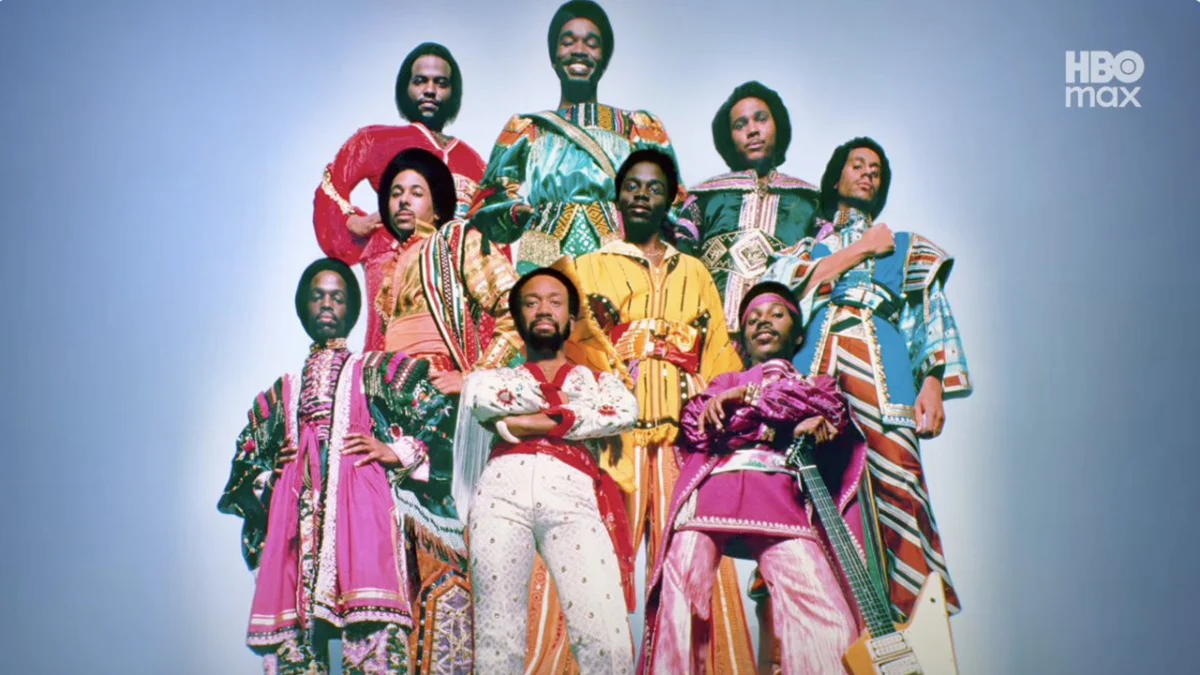
Earth, Wind & Fire: To Be Celestial vs. That’s The Weight of the World
The HBO Original documentary Earth, Wind & Fire: To Be Celestial vs. That’s The Weight of the World, produced and directed by acclaimed producer, director, and musician Ahmir “Questlove” Thompson, offers an intimate and comprehensive exploration of the legendary nine-time GRAMMY Award-winning band Earth, Wind & Fire. Premiering Sunday, June 7, from 9:00-11:00 p.m. ET/PT on HBO and available for streaming on HBO Max, the film delves into the band’s profound impact on music and culture, tracing its origins through the vision of late founding member Maurice White, chronicling its evolution, triumphs, and challenges, and underscoring its enduring relevance from the 1970s to the present day. Beyond the infectious grooves and groundbreaking sound, the documentary seeks to unravel the deep philosophical and spiritual underpinnings that define Earth, Wind & Fire’s unique message.
Questlove, known for his own innovative approach to music and his Oscar-winning documentary Summer of Soul, brings his signature insightful lens to the story of a band that has consistently pushed boundaries. The film promises to be a vibrant tapestry, meticulously woven from the band’s extensive archives, featuring an array of never-before-seen visual, audio, and written materials. This rich collection allows the documentary to manifest as an experiential kaleidoscope, immersing viewers in the electrifying energy of Earth, Wind & Fire’s live performances, a spectacle that has captivated audiences across generations.
A Deep Dive into the Band’s Genesis and Evolution
At the heart of the narrative is the visionary force of Maurice White, the band’s late founder, whose childhood experiences and evolving worldview profoundly shaped the band’s trajectory. The documentary traces White’s journey, exploring how his spiritual, metaphysical, and astrological passions were seamlessly integrated into Earth, Wind & Fire’s genre-bending songwriting and increasingly theatrical stage presence. White’s ambition was not merely to create music, but to foster unity and understanding among a diverse global audience, a mission that resonated through every chord and lyric.
The film meticulously chronicles the band’s sonic evolution, a remarkable journey that saw them traverse from the improvisational freedom of jazz to the soulful expressions of R&B, the pulsating rhythms of Afro-funk, and the disco era’s infectious danceability, and beyond. This stylistic fluidity was a deliberate strategy, a testament to White’s commitment to constant reinvention and adaptation. He consistently pushed the boundaries of creativity and theatricality, sometimes at a personal cost, but always in service of his elaborate showmanship and the profound artistic vision that defined Earth, Wind & Fire.
Unveiling the Band’s Enduring Legacy
Earth, Wind & Fire: To Be Celestial vs. That’s The Weight of the World positions itself as more than just a retrospective; it is a loving celebration of a complex artist in Maurice White and an enduring tribute to the band’s far-reaching cultural impact. The documentary highlights how White’s musical innovations have left an indelible mark on subsequent generations of artists, with luminaries like Prince and Stevie Wonder citing their influence. Furthermore, the film explores the band’s resurgence in contemporary music, evident through the widespread sampling of their tracks and collaborations with today’s hip-hop artists, underscoring their timeless appeal.
The narrative is further enriched through candid interviews with a diverse cast of participants. Band members Philip Bailey, Verdine White, and Ralph Johnson provide firsthand accounts of their experiences. They are joined by a chorus of voices including musicians, managers, authors, former band members, and family, offering a multifaceted perspective on the band’s journey. The documentary also features reflections from high-profile fans and artists who have been profoundly influenced by Earth, Wind & Fire, including President Barack Obama, First Lady Michelle Obama, Stevie Wonder, Lionel Richie, H.E.R., and Flea, further solidifying the band’s significant place in the cultural landscape.
The Philosophical and Spiritual Core
A significant focus of the documentary is the exploration of the deep philosophical and spiritual meaning embedded within Earth, Wind & Fire’s music and message. Maurice White’s interest in esoteric philosophies, Eastern spirituality, and astrological concepts was not a mere intellectual pursuit; it was a fundamental aspect of his artistic expression. The film elucidates how these beliefs were woven into the lyrical content and thematic cohesiveness of their albums, aiming to uplift, enlighten, and inspire listeners. This spiritual dimension is often cited as a key factor in the band’s ability to connect with such a broad and diverse audience, transcending genre and cultural barriers.
The concept of "Celestial" versus "The Weight of the World" in the documentary’s title hints at the dualities explored within the film. It suggests the band’s aspiration to reach for higher, more spiritual realms, while simultaneously remaining grounded in the realities and challenges of human existence. This juxtaposition reflects the band’s consistent effort to offer hope, wisdom, and a sense of cosmic connection amidst the complexities of everyday life. Their music often served as an anthem for overcoming adversity, fostering a sense of unity, and celebrating the interconnectedness of all things.
A Timeline of Impact and Innovation
The formation of Earth, Wind & Fire in 1969 in Chicago marked the beginning of a musical revolution. Maurice White, a session drummer and arranger for Chess Records, envisioned a band that would blend diverse musical styles with a message of universal love and consciousness.
- 1970s: The Golden Age of Expansion: The early 1970s saw the band solidify its sound and gain widespread recognition. Albums like Last Days and Time (1972), Head to the Sky (1973), and Open Our Eyes (1974) established their unique fusion of funk, soul, and jazz. The release of That’s the Way of the World in 1975, featuring the iconic hit "Shining Star," propelled them to superstardom, earning them their first GRAMMY Award. The band’s elaborate stage shows, incorporating dance, elaborate costumes, and mystical symbolism, became a hallmark of their live performances.
- Late 1970s and Early 1980s: Chart Dominance and Global Reach: The late 1970s witnessed Earth, Wind & Fire reach new heights with albums like Gratitude (1975), Spirit (1976), and the groundbreaking All ‘n All (1977), which won them another GRAMMY. Their influence extended beyond music, with their positive messages and cosmic imagery resonating deeply with a generation seeking meaning and transcendence. The 1980s saw continued success with albums like Faces (1980) and Raise! (1981), which included the enduring hit "Let’s Groove."
- Mid-1980s to Present: Continued Evolution and Enduring Influence: While the band experienced lineup changes and evolving musical trends, their commitment to their core message remained steadfast. Maurice White’s health challenges in the late 1980s led to a period of reduced touring, but the band continued to release new music and tour with renewed vigor. Their influence has been consistently recognized, with numerous awards and inductions into music halls of fame. The film’s exploration of sampling and collaborations highlights their ongoing relevance in the contemporary music scene, demonstrating that their innovative spirit continues to inspire.
Supporting Data and Critical Acclaim
Earth, Wind & Fire’s discography boasts an impressive array of critical and commercial successes. They have sold over 100 million records worldwide, a testament to their global appeal. Their catalog includes 23 studio albums, 50 singles, and numerous compilation albums. They have garnered eight GRAMMY Awards, with a ninth awarded to Questlove for his documentary. Their music has consistently charted on the Billboard Hot 100, R&B, and Dance charts, showcasing their versatility and broad appeal.
Critics have long lauded Earth, Wind & Fire for their musical innovation, lyrical depth, and extraordinary musicianship. Their ability to blend disparate genres seamlessly, coupled with their positive and spiritual messages, set them apart in the music industry. The band’s live performances are legendary, characterized by dynamic choreography, powerful vocal harmonies, and a palpable sense of joy and unity. The documentary’s use of archival footage aims to capture this electrifying essence for viewers who may not have experienced it firsthand.
Broader Impact and Implications
The legacy of Earth, Wind & Fire extends far beyond their musical achievements. They were pioneers in integrating spiritual and philosophical concepts into mainstream popular music, opening doors for artists to explore deeper themes in their work. Their commitment to positive messaging and social consciousness resonated with a generation grappling with social and political upheaval, offering a beacon of hope and unity.
The band’s visual aesthetic, characterized by vibrant colors, elaborate costumes, and symbolic imagery, also had a significant impact on popular culture, influencing fashion and visual arts. Their music continues to be a source of inspiration for artists across genres, and their enduring popularity speaks to the timeless nature of their message. The documentary’s exploration of their impact on contemporary hip-hop artists, through sampling and collaborations, underscores their continued relevance and the cyclical nature of musical influence.
In an era often characterized by division, the message of love, unity, and consciousness that Earth, Wind & Fire championed remains as potent and necessary as ever. Earth, Wind & Fire: To Be Celestial vs. That’s The Weight of the World promises to be a vital document, not only celebrating a musical icon but also offering a profound reflection on the enduring power of music to inspire, unite, and uplift the human spirit. The film serves as a reminder that even amidst the complexities of life, there is always the potential for transcendence and connection, a message that Maurice White and Earth, Wind & Fire have so masterfully conveyed for decades.