
What is Canva? 6 Ways to Use It For Your Business in 2025
In today’s competitive business landscape, maintaining a professional and visually appealing brand presence is no longer a luxury but a fundamental necessity. Businesses of all sizes are grappling with the challenge of creating high-quality marketing collateral that accurately reflects the caliber of their products and services. However, the demands on entrepreneurs and business owners are often multifaceted, leaving little room for extensive training in specialized fields like graphic design. This is precisely where platforms like Canva have emerged as transformative tools, democratizing design and empowering businesses to achieve professional visual communication without requiring advanced technical expertise. This article explores what Canva is and provides a comprehensive overview of its utility for businesses looking to enhance their brand presence and marketing efforts throughout 2025.
The Evolving Digital Marketing Landscape
The digital marketing arena has undergone a seismic shift over the past decade. Consumers are increasingly bombarded with information, making it imperative for businesses to capture attention quickly and effectively. Visual content, in particular, has become a cornerstone of successful digital strategies. Studies consistently show that posts with images receive significantly more engagement than those without, and video content often garners even higher interaction rates. Furthermore, the rise of social media platforms as primary customer touchpoints has amplified the need for consistent, on-brand visual assets. From Instagram stories and Facebook ads to LinkedIn posts and website banners, a cohesive visual identity is crucial for building brand recognition and trust.
This heightened reliance on visual communication presents a significant challenge for small to medium-sized businesses (SMBs) and startups. While larger corporations may have dedicated design teams or substantial budgets for external agencies, many smaller enterprises operate with lean resources. The traditional route of hiring a graphic designer or investing in complex software like Adobe Photoshop or Illustrator can be cost-prohibitive and time-consuming, especially for tasks that don’t require intricate, bespoke designs. This gap in accessibility has created a fertile ground for user-friendly design platforms.
Understanding Canva: A Design Democratizer
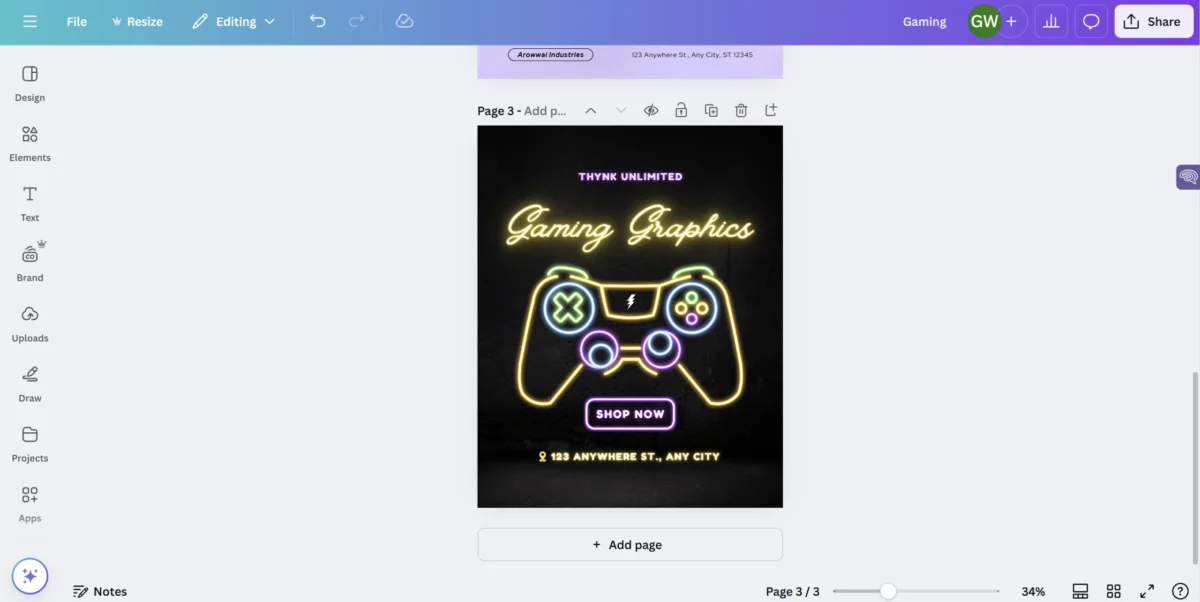
At its core, Canva is a graphic design platform that simplifies the creation of a wide array of visual content. Launched in 2013, it was conceived with the vision of making design accessible to everyone, regardless of their prior experience. The platform’s intuitive drag-and-drop interface is a key differentiator, offering a stark contrast to the steeper learning curves associated with professional design software. This user-centric approach has been instrumental in its widespread adoption by individuals, educators, and, notably, businesses of all sizes.

Canva operates on a freemium model. The "Canva Free" version provides access to a vast library of templates, design elements, and basic editing tools, allowing users to create professional-looking graphics without any financial outlay. This generous free tier is often sufficient for many small businesses’ initial design needs. For those requiring more advanced features, premium templates, brand kits, and enhanced collaboration tools, Canva Pro and Canva for Teams subscriptions are available. These tiered offerings cater to a spectrum of business needs, from solopreneurs to large organizations.
The platform’s success can be attributed to several factors:
- Accessibility: Its web-based nature means it can be accessed from any device with an internet connection, and its user-friendly interface requires minimal training.
- Vast Template Library: Canva offers thousands of professionally designed templates for virtually any purpose, from social media posts and presentations to logos and business cards. These templates serve as excellent starting points, significantly reducing design time and effort.
- Extensive Asset Library: Beyond templates, users have access to a massive collection of stock photos, illustrations, icons, fonts, and even video clips.
- Collaboration Features: Canva for Teams enables multiple users to work on designs simultaneously, manage brand assets, and maintain brand consistency across an organization.
Strategic Applications of Canva for Businesses in 2025
As businesses navigate the evolving digital landscape of 2025, Canva offers a robust suite of tools to enhance their visual communication strategies. Here are six key ways businesses can leverage Canva:
1. Establishing and Refining Brand Assets
A strong brand identity is the bedrock of any successful business. It encompasses not only a logo but also a consistent color palette, typography, and overall visual style. Canva significantly simplifies the process of developing and maintaining these crucial brand assets.
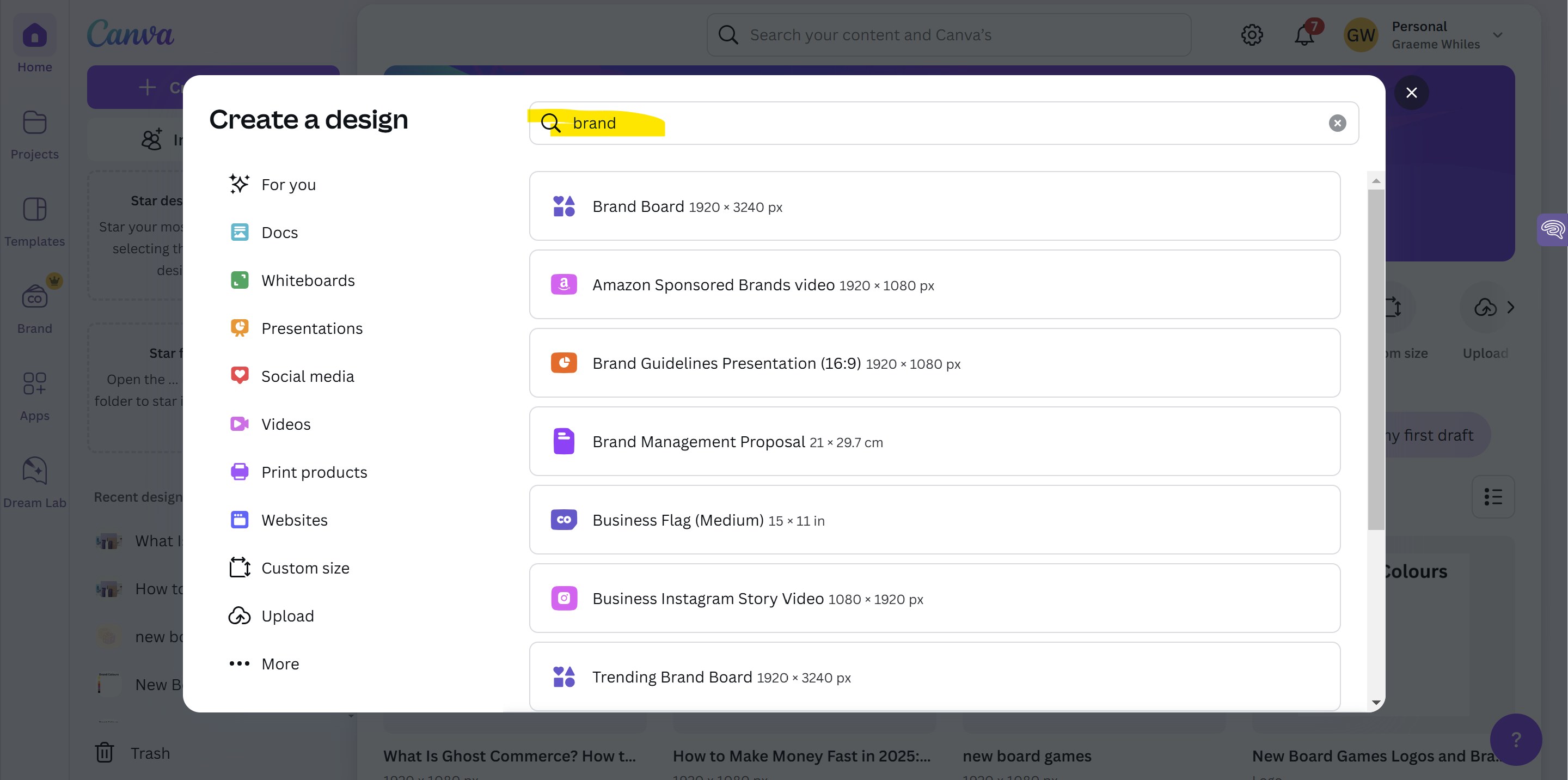
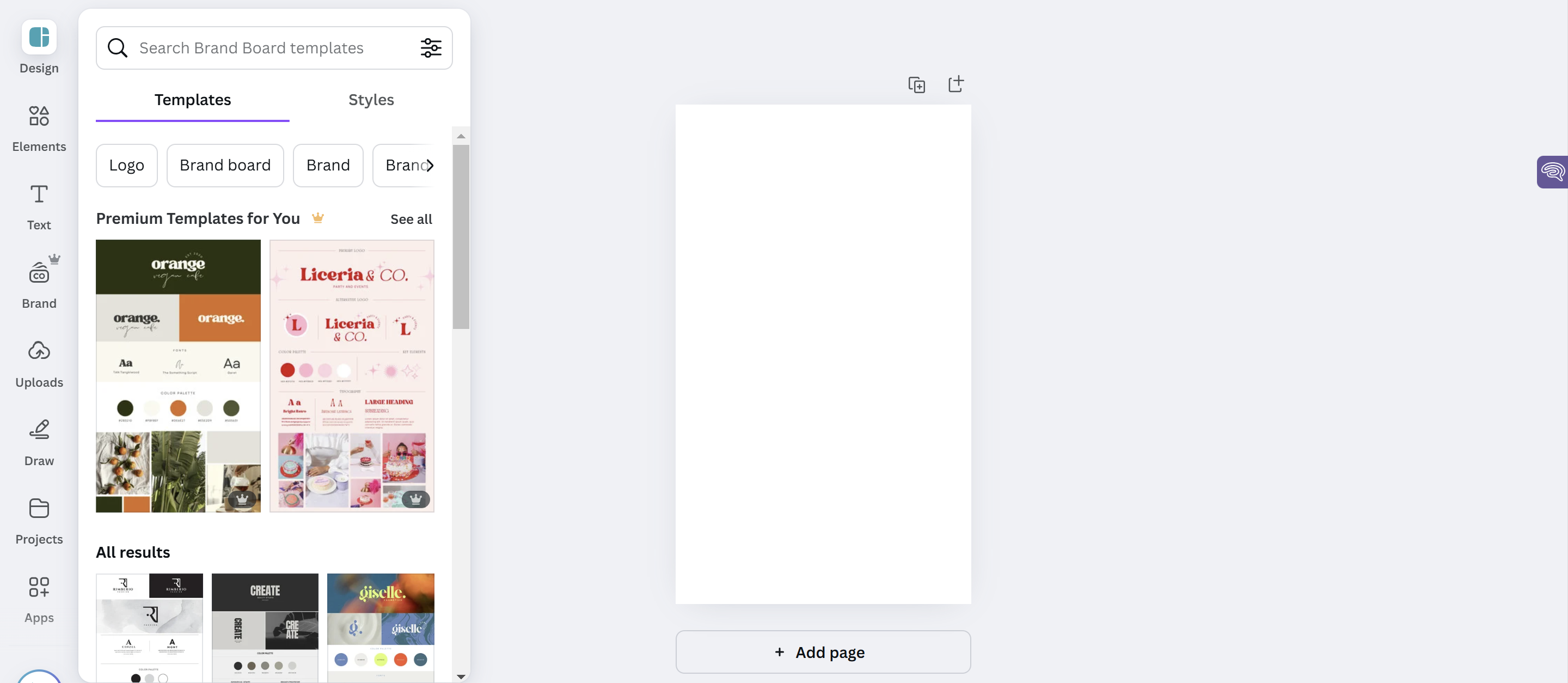
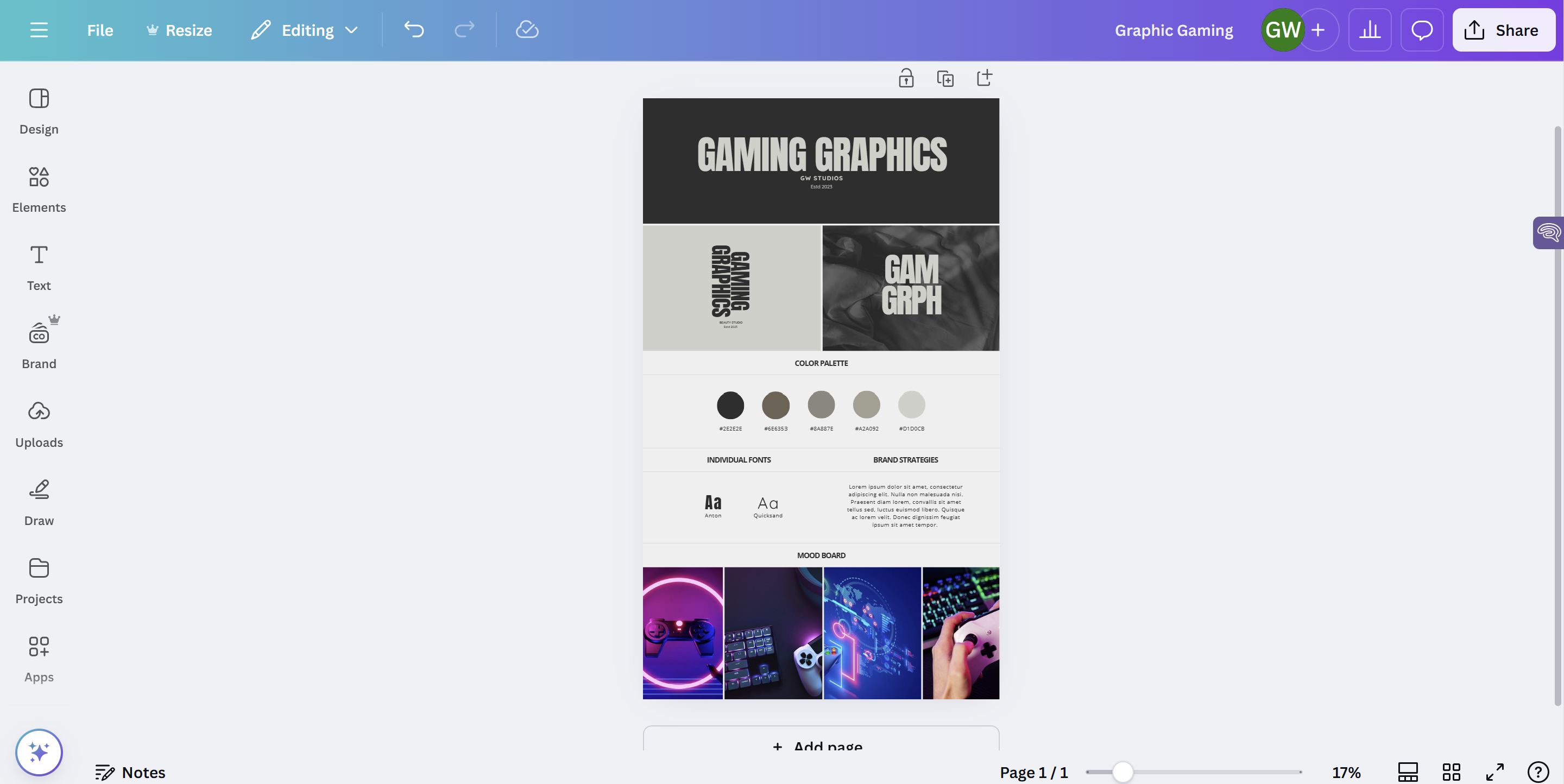
Process: Businesses can begin by searching for "Brand Board" templates within Canva. These templates provide a structured framework for defining and organizing brand elements. Users can input their company logo, select primary and secondary brand colors, choose appropriate fonts, and even define visual styles for imagery.
Example Scenario: Imagine a new e-commerce startup, "Artisan Blooms," specializing in handcrafted floral arrangements. To establish a cohesive brand identity, they would utilize a Canva Brand Board. They could upload their logo, select a sophisticated color scheme of deep emerald green and blush pink, choose elegant serif fonts for headings and a clean sans-serif font for body text, and specify the style of photography they will use – perhaps soft, natural lighting with an emphasis on texture. This defined brand board then serves as a central reference point for all subsequent design projects, ensuring consistency across all marketing materials.
Implication: A well-defined and consistently applied brand identity builds recognition, fosters trust, and communicates professionalism to potential customers. Canva’s ease of use in creating and managing these assets empowers even small businesses to project a polished and established image.
2. Crafting Engaging Social Media Content
Social media remains a critical channel for customer engagement, brand awareness, and lead generation. Canva excels in providing businesses with the tools to create a steady stream of visually compelling social media content tailored to various platforms.
Process: Canva offers pre-sized templates for almost every social media platform, including Instagram posts, stories, reels, Facebook posts, Twitter banners, and LinkedIn updates. Businesses can select a template, customize it with their branding, add relevant imagery, and write compelling captions. The platform also allows for the creation of short animated graphics and video clips, which are highly effective for capturing attention in busy social feeds.
Example Scenario: "Tech Solutions Inc.," a B2B software provider, needs to maintain an active presence on LinkedIn and Twitter to share industry insights and promote their services. Using Canva, they can create professional-looking infographics summarizing key market trends, design visually appealing quote graphics featuring industry leaders, and develop short promotional videos highlighting new software features. They can also schedule these posts directly through Canva’s integrated scheduling tool or export them for use with other scheduling platforms.
Data Point: According to recent social media marketing statistics, posts with visuals are 40% more likely to get shared than text-only posts. Furthermore, video content on social media can increase engagement by up to 100%. Canva’s ability to facilitate the creation of these visual assets directly addresses this need.
Implication: Consistent, high-quality social media content generated through Canva can significantly boost engagement rates, expand reach, and nurture customer relationships, ultimately contributing to lead generation and sales.
3. Designing Impactful Blog Headers and Visuals
In the realm of content marketing, blog posts are essential for providing value, establishing authority, and driving organic traffic. However, a wall of text can be intimidating and unengaging for readers. High-quality blog headers and interspersed visuals are crucial for breaking up content, enhancing readability, and improving SEO.
Process: Canva provides specific templates for blog headers, designed to be visually striking and informative. Users can also create custom graphics, charts, and infographics to illustrate complex data or concepts within their blog posts. The platform’s infographic templates are particularly useful for distilling information into easily digestible visual formats, which are highly shareable and can drive backlinks.
Example Scenario: A financial advisory firm, "Wealth Builders," publishes regular blog content on investment strategies and market analysis. To make their articles more engaging, they use Canva to design custom blog headers that incorporate their brand colors and a relevant visual theme. They also use Canva to create infographics that visually represent complex financial data, such as stock market performance over time or the breakdown of an investment portfolio.
SEO Benefit: Google’s algorithms favor content that keeps users engaged. Visually appealing content, including well-designed blog headers and infographics, can lead to longer dwell times on a page, reduced bounce rates, and increased sharing, all of which positively impact SEO rankings.
Implication: By leveraging Canva for blog visuals, businesses can create more engaging and informative content that keeps readers hooked, improves their website’s user experience, and signals to search engines that their content is valuable and relevant.
4. Creating Professional Lead Magnets
Lead magnets – such as e-books, checklists, whitepapers, and webinars – are powerful tools for capturing potential customer information. The effectiveness of a lead magnet is significantly influenced by its perceived value, which is directly tied to its professional presentation.
Process: Canva offers a wide range of templates for creating downloadable assets like e-books and guides. Businesses can select a template, populate it with their content, and customize it to align with their brand. The platform’s design tools allow for the incorporation of images, charts, and text formatting to create a polished and professional document that instills confidence in the reader.
Example Scenario: A marketing consultancy, "Growth Strategies," wants to offer a free e-book titled "The 2025 Guide to Digital Marketing Trends" to potential clients. Using Canva, they can design a visually appealing cover, structure the e-book with well-formatted chapters, include engaging graphics to illustrate key points, and ensure the overall design reflects their brand’s expertise and professionalism.
Psychological Impact: A professionally designed lead magnet suggests that the business is meticulous, credible, and offers high-quality solutions. Conversely, a poorly designed or amateurish lead magnet can deter potential leads, regardless of the quality of the underlying content.
Implication: Canva empowers businesses to create lead magnets that not only offer valuable information but also look impressive, thereby increasing lead capture rates and enhancing the perceived value of the business.
5. Developing Marketing Collateral and Presentations
Beyond digital content, businesses often require physical or digital marketing collateral such as brochures, flyers, posters, and presentations. Canva provides a streamlined process for designing these essential materials.
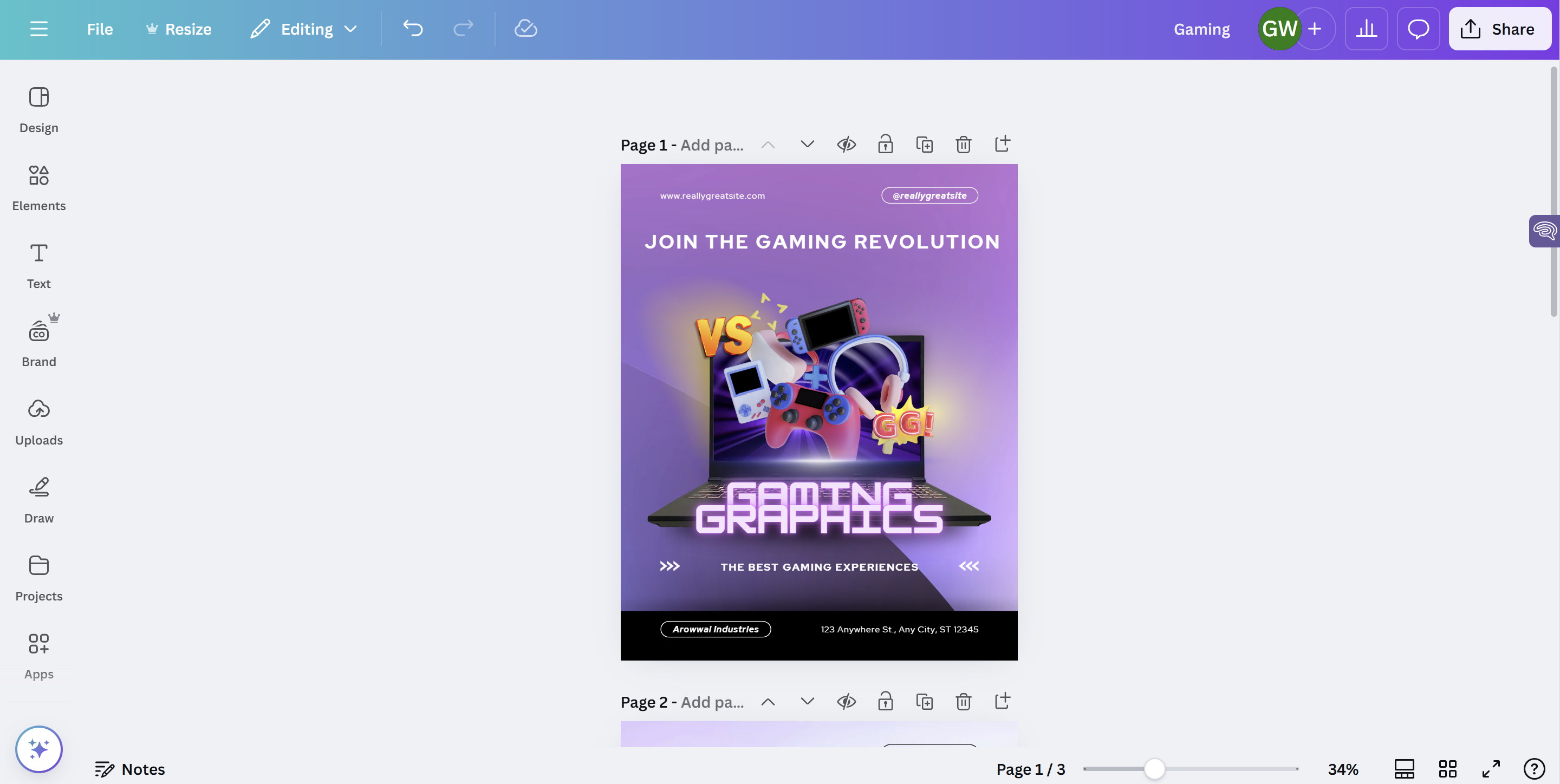
Process: Businesses can choose from a vast array of templates for brochures, flyers, business cards, and presentation decks. These templates can be easily customized with company logos, contact information, product details, and promotional offers. The drag-and-drop functionality allows for quick arrangement of elements, and the ability to export designs in various formats (PDF, JPG, PNG) makes them ready for print or digital distribution.
Example Scenario: "Green Living," an eco-friendly product retailer, is preparing for a local trade show. They need a professional-looking brochure to hand out to attendees and a visually engaging presentation for their booth. Using Canva, they can design a tri-fold brochure highlighting their product range and sustainability initiatives, and create a dynamic presentation deck with product images and compelling talking points. They can also design eye-catching posters for their booth.
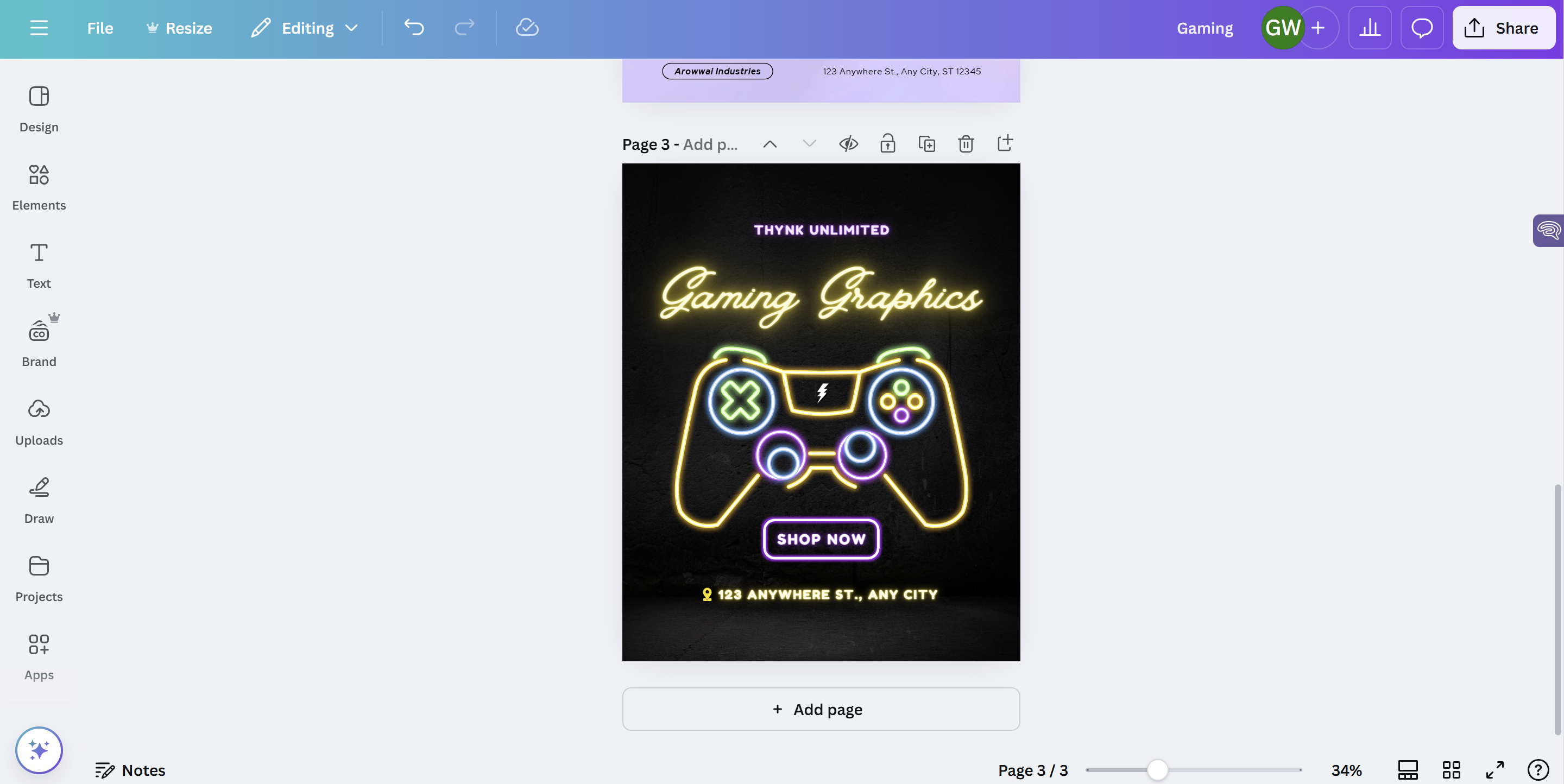
Cost-Effectiveness: For businesses that don’t require highly specialized or intricate print designs, using Canva can significantly reduce the costs associated with graphic design for marketing collateral. Many local print shops can work with the high-resolution files exported from Canva.
Implication: Canva enables businesses to produce a wide range of professional marketing materials efficiently and affordably, enhancing their promotional efforts and brand visibility at events and in client interactions.
6. Branding for Internal and External Communications
Beyond overt marketing efforts, consistent branding is vital for internal communications, team building, and creating a unified company culture. Canva can be used to create internal documents, employee handbooks, and even visual assets for company intranets or internal newsletters.
Process: Businesses can create branded templates for internal memos, reports, and meeting agendas. For employee onboarding, branded welcome kits or handbooks can be designed. Even simple elements like branded email signatures or templates for internal announcements can contribute to a cohesive professional image.
Example Scenario: "Innovate Solutions," a tech company, uses Canva to create branded templates for all internal reports and project updates. They also design visually appealing onboarding materials for new hires, ensuring they immediately feel part of the company culture. Furthermore, they use Canva to create graphics for their internal communication channels, such as Slack or Microsoft Teams, reinforcing their brand identity even in informal settings.
Team Cohesion: A consistent visual language, even in internal communications, contributes to a sense of unity and professionalism within an organization. It reinforces the company’s identity and values, fostering a stronger sense of belonging among employees.
Implication: By extending brand consistency to internal communications through Canva, businesses can foster a more unified and professional internal environment, which can indirectly impact productivity and employee morale.
The Future of Accessible Design
Canva’s impact on the business world is undeniable. It has effectively democratized design, enabling entrepreneurs and marketing professionals without formal design training to create high-quality visual content. As businesses continue to prioritize digital presence and visual storytelling, platforms like Canva will remain indispensable tools. The ongoing development of features, including AI-powered design assistance and expanded integrations, suggests that Canva will continue to evolve, offering even more sophisticated capabilities to meet the dynamic needs of businesses in the years to come.
For businesses looking to elevate their brand presence, enhance their marketing efforts, and operate more efficiently in 2025, understanding and implementing Canva’s capabilities is not just beneficial – it’s becoming a strategic imperative. The ability to consistently produce professional, engaging visuals without breaking the bank or requiring extensive technical skills is a significant competitive advantage.
The accessibility of tools like Canva, coupled with a strategic understanding of how to leverage them, empowers businesses to compete on a more level playing field, projecting an image of professionalism and credibility that can drive growth and success. As the digital landscape continues to evolve, the demand for visually compelling content will only intensify, making platforms that simplify its creation more valuable than ever.