
6 Ways to Build and Grow Your Email List Without Paid Ads in 2025
In the dynamic landscape of digital marketing for 2025, businesses are increasingly seeking sustainable and cost-effective strategies to connect with their audience. While the allure of paid advertising campaigns is undeniable, a significant segment of entrepreneurs and marketers are prioritizing organic growth, particularly in building robust email lists. This approach not only conserves valuable marketing budgets but also fosters deeper, more direct relationships with customers. This article delves into six proven, free methods for cultivating an engaged email subscriber base, offering actionable insights for businesses of all sizes.
The Enduring Power of a Direct Connection: Why Email Lists Matter
Before exploring the "how," it is crucial to understand the "why" behind a substantial and healthy email list. In an era dominated by fluctuating social media algorithms, unpredictable pay-per-click (PPC) costs, and the ever-present threat of search engine algorithm shifts, owning a direct communication channel is paramount. An email list represents precisely that: a channel where a brand has complete autonomy over content delivery, timing, and message presentation, free from the gatekeepers of third-party platforms.
The return on investment (ROI) for email marketing continues to be a compelling argument for its prioritization. According to "The 2025 State of Marketing Report" by HubSpot, email marketing campaigns consistently yield an average ROI of 36:1. This means for every dollar invested in email marketing efforts, businesses can expect to see an average return of $36 in revenue. This remarkable efficiency outshines many other marketing avenues, making it an indispensable tool for driving profitability.
Beyond financial returns, email marketing serves as a powerful engine for building genuine relationships. Top-performing brands consistently leverage personalized welcome sequences, insightful re-engagement campaigns, and valuable educational content to nurture their audience. This consistent delivery of value fosters trust, transforms one-time buyers into loyal patrons, and fortifies the long-term success of a business. Furthermore, a well-managed email list enables sophisticated segmentation, allowing for highly tailored messaging based on user behavior, preferences, and demographics. This level of personalization is a hallmark of effective marketing and is more readily achievable through owned channels like email.
Six Strategic Approaches to Cultivate Your Email List Organically
Recognizing the critical importance of an engaged email list, especially for businesses operating with constrained budgets, the following six strategies offer a pathway to substantial growth without the expenditure of paid advertising.
1. The Art of the Value Exchange: Strategic Lead Magnets
One of the most effective methods for acquiring email subscribers is through the strategic offering of valuable incentives, commonly known as lead magnets. This approach operates on the principle of reciprocity: providing something of genuine worth in exchange for contact information. While premium giveaways can be highly effective, they are not the only avenue. Businesses can offer a wealth of free resources tailored to their audience’s needs and interests.
Examples include:
- Checklists and Templates: Practical tools that simplify tasks or processes for the user. For instance, a social media manager could offer a "Content Calendar Template" or a startup could provide a "Business Plan Outline Checklist."
- Mini-Courses and Ebooks: In-depth guides or educational modules that impart knowledge or skills. A fitness brand might offer a "5-Day Fat Loss Kickstart" mini-course, or a financial advisor could provide an ebook on "Navigating Early Retirement."
- Exclusive Guides and Reports: Original research, industry insights, or comprehensive guides that offer unique perspectives. A marketing agency could publish a "State of Digital Advertising in 2025" report.
The key to a successful lead magnet lies in its specificity and genuine utility. Generic or hastily created content, often produced with minimal effort using AI tools, will likely result in a high unsubscribe rate. Subscribers are entrusting a business with their personal information; therefore, the provided resource must offer demonstrable expertise, unique insights, and a level of value that surpasses what can be easily found through a quick online search. The content should aim to solve a specific problem or fulfill a distinct need for the target audience, positioning the brand as a credible and helpful authority.
2. Strategic Placement: Optimizing Sign-Up Opportunities
While the quality of an opt-in offer is crucial, its discoverability is equally important. Many businesses limit their email sign-up forms to a single, often overlooked, location on their website. A more effective approach involves strategically placing opt-in opportunities across various touchpoints of the user journey.
Consider integrating sign-up forms and calls-to-action in the following areas:
- Homepage: A prominent section on the homepage can capture visitors’ initial interest.
- Blog Posts: Embedded within or at the end of relevant blog content, offering a timely incentive.
- Website Footer: A standard and expected location for contact and subscription information.
- About Page: For visitors interested in learning more about the brand, offering a way to stay connected.
- Pop-Up Messaging: While potent, pop-ups require careful implementation. They can be triggered by time spent on the site, scroll depth, or exit intent.
Email service providers typically offer robust tools for customizing and deploying pop-up forms. However, it is imperative to exercise restraint. Overuse of pop-ups can create a frustrating user experience, leading to increased bounce rates and decreased engagement. Striking a balance between maximizing sign-up opportunities and maintaining a positive website experience is essential. Continuous monitoring of key metrics such as bounce rates, time spent on site, and conversion rates for different opt-in placements will inform optimal strategies.
3. Engaging Experiences: The Power of Free Challenges and Bootcamps
For brands aiming to build deeper engagement and foster a sense of community, hosting free challenges or bootcamps offers a highly interactive and valuable method for list growth. These initiatives require an investment of time and expertise rather than financial resources, making them ideal for budget-conscious businesses.
The structure typically involves inviting participants to sign up for a multi-day program delivered directly to their inboxes. Each day, valuable, actionable content is provided, reinforcing the brand’s expertise and strengthening the subscriber’s connection.
Illustrative examples include:
- Wellness Brands: A "7-Day Wellness Reset Challenge" could focus on improving energy levels, mental clarity, and overall well-being through daily tips and exercises.
- Beauty Brands: A "7-Day Skin Glow Challenge" might deliver daily skincare routines, ingredient spotlights, and product recommendations.
- Fitness Brands: A "7-Day Strength Challenge" could offer simple workout routines, motivational content, and nutritional advice.
By promoting these challenges across social media channels and driving sign-ups, businesses can attract a highly engaged audience. The consistent delivery of value over several days not only builds trust but also primes subscribers for future offers and strengthens their perception of the brand as a reliable source of relevant information.
4. Leveraging Social Capital: Converting Followers to Subscribers
Social media platforms, while not owned channels, represent a significant reservoir of potential email subscribers. Individuals who actively follow and engage with a brand on social media have already demonstrated interest and a willingness to connect. The objective then becomes to convert these social followers into email subscribers.
This can be achieved by:
- Teasing Lead Magnets and Challenges: Use stories, posts, and live sessions to hint at valuable resources, free challenges, or exclusive content available via email sign-up.
- "Link in Bio" Optimization: Utilize link aggregation tools to direct followers to a dedicated landing page for email opt-ins.
- Consistent Promotion: As social audiences grow and new individuals discover the brand, regularly promote the benefits of joining the email list. This can be done through direct calls-to-action in posts or by weaving it into the overall content strategy.
The inherent engagement on social media provides a fertile ground for nurturing leads who are already familiar with the brand’s voice and offerings. By providing a clear and compelling reason to transition from social engagement to email subscription, businesses can effectively expand their direct communication channels.
5. Ubiquitous Presence: Integrating Email Sign-Ups Everywhere
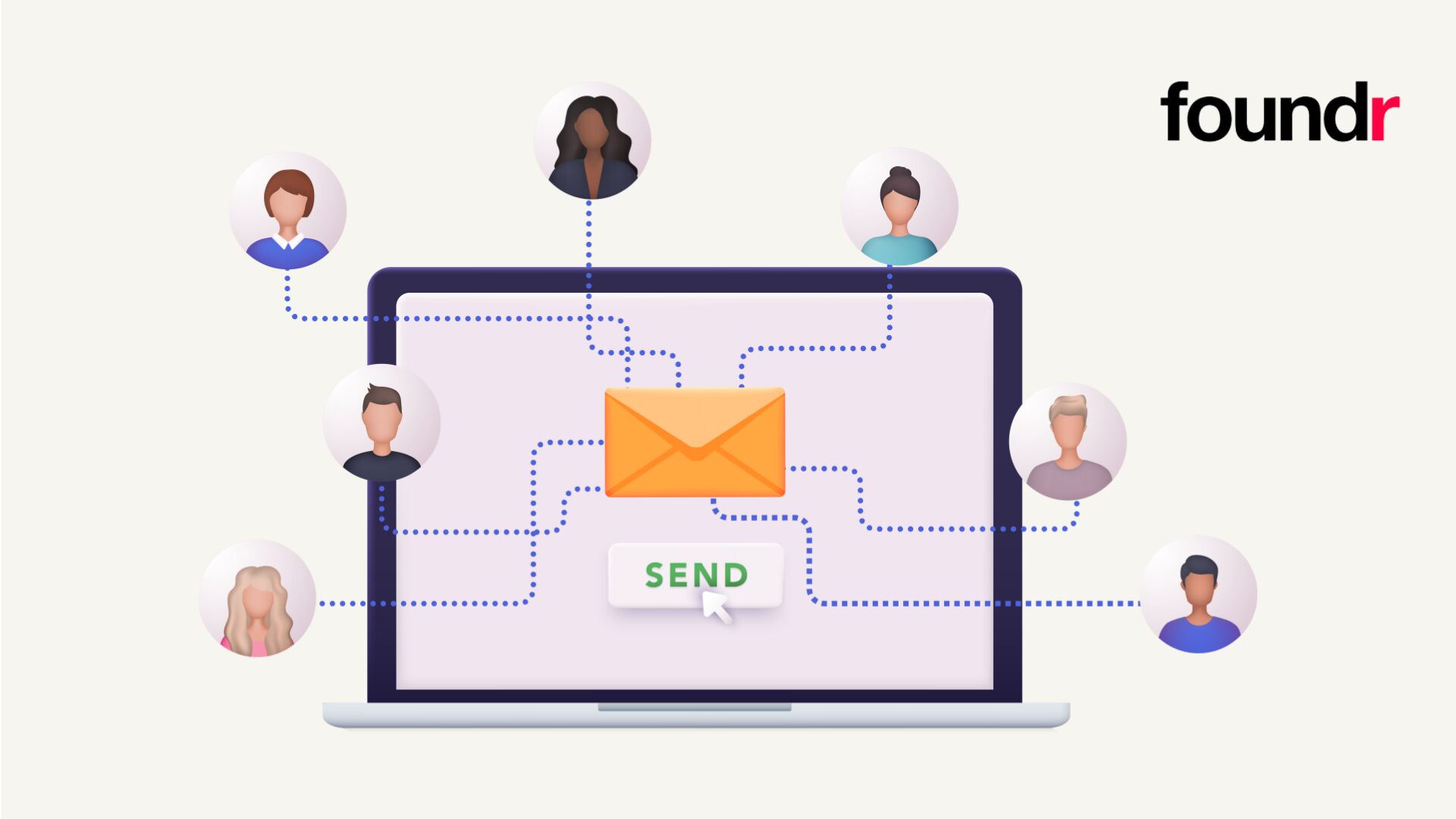
Beyond social media bios, numerous other digital and even physical touchpoints offer opportunities to promote email list sign-ups without compromising the user experience. Every platform where a brand has a presence can be viewed as a potential conduit for funneling interested individuals into the email list.
Consider these strategic placements:
- Email Signatures: Include a clear call-to-action and link to your sign-up page in all outgoing professional emails.
- LinkedIn Profiles: Utilize the bio section to highlight the benefits of joining your email list.
- Business Cards: A subtle but effective way to provide a QR code or short URL for easy sign-up.
- Guest Post Outreach: When contributing content to other publications, include a relevant call-to-action in your author bio, directing readers to your email list for more in-depth resources.
- Website Navigation: Ensure a clear and easily accessible "Subscribe" or "Join Our Newsletter" link in the main navigation menu.
The overarching principle is to make it as convenient as possible for interested individuals to join the mailing list, regardless of how they first encounter the brand.
6. Collaborative Growth: Partnering for Mutual Benefit
Building an email list can feel like an overwhelming task, particularly for solo entrepreneurs or small teams. However, collaboration offers a powerful and often overlooked strategy for expanding reach and accelerating list growth. By partnering with other entrepreneurs and businesses, brands can tap into new audiences and share their own.
Effective collaboration strategies include:
- Co-Branded Lead Magnets: Create a valuable resource jointly with a complementary business, with both parties promoting it to their respective audiences.
- Joint Webinars: Host a webinar together, requiring attendees to register with their email addresses, benefiting both parties with new leads.
- Newsletter Swaps: Agree to promote each other’s newsletters to your respective subscriber bases, exposing your brand to a relevant, pre-qualified audience.
- Guest Blogging: Write guest posts for blogs within your niche, including a call-to-action in your author bio that directs readers to your email list.
These collaborations foster a synergistic relationship where both parties benefit from shared audiences and increased visibility. The key is to identify partners whose audience aligns with your target demographic and who share a similar commitment to providing value.
Maximizing the Potential of Your Email List
The journey of email list growth does not conclude with the acquisition of subscribers; it merely transitions to a new phase: nurturing and engagement. While a comprehensive exploration of email list management warrants its own detailed discussion, a brief overview of crucial considerations is pertinent:
- Segmentation: As mentioned, segmenting your list based on user behavior, interests, and demographics is vital for delivering relevant content. This allows for personalized campaigns that resonate more effectively.
- Personalization: Beyond segmentation, personalizing individual emails with subscriber names and tailoring content to their specific journey enhances engagement.
- Value-Driven Content: Consistently deliver high-quality, valuable content that educates, entertains, or solves problems for your subscribers.
- Clear Calls-to-Action: Guide your subscribers on what you want them to do next, whether it’s visiting a product page, reading a blog post, or making a purchase.
- A/B Testing: Continuously test different subject lines, email content, and calls-to-action to optimize open rates, click-through rates, and conversions.
- Automation: Implement automated email sequences for welcome series, abandoned carts, post-purchase follow-ups, and re-engagement campaigns to streamline communication and improve efficiency.
Empowering Growth with Omnisend
To effectively leverage the power of an email list, having a robust and feature-rich email and SMS marketing platform is essential. Omnisend stands out as a comprehensive solution designed for e-commerce brands seeking to scale their operations intelligently. Its suite of tools encompasses powerful email and SMS automation, intuitive drag-and-drop builders, and advanced segmentation capabilities, all geared towards transforming an email list into a significant revenue driver.
For businesses looking to implement these strategies, Omnisend offers a compelling proposition. By using the code FOUNDR50 at checkout, users can receive a 50% discount on their first three months of a paid plan. This offer provides an accessible entry point for businesses to harness the advanced functionalities of Omnisend and maximize the potential of their growing email list. The platform’s capabilities are designed to support a multi-channel marketing approach, integrating email, SMS, and other channels to create cohesive and impactful customer journeys. This holistic approach ensures that businesses can not only build their lists but also nurture them effectively into loyal, high-value customers.