





Short term career goals are the stepping stones to your long-term aspirations. They provide a clear direction, helping you focus on achievable milestones along the way. This guide delves into defining, identifying, setting, and achieving short-term career goals, providing actionable strategies for success and showcasing practical examples across various professions. We’ll explore how these goals can propel your career forward, from initial steps to long-term advancement.
Understanding the difference between short-term and long-term goals is crucial. Short-term goals, typically spanning weeks or months, are designed to build momentum and skills, laying the foundation for future success. They are measurable and provide a framework for tracking progress, making adjustments, and staying motivated. We’ll look at how to translate personal aspirations into tangible, achievable goals. This includes examining personal values and using the SMART goal framework.
Defining Short-Term Career Goals
Short-term career goals are essential stepping stones on the path to long-term success. They provide focus, motivation, and a clear roadmap for achieving larger objectives. Understanding the nuances between short-term and long-term goals, and how to define them effectively, is critical for career advancement.Defining short-term goals is about breaking down larger aspirations into manageable, achievable tasks. This approach allows for consistent progress and builds confidence along the way.
These goals are crucial for demonstrating competency and securing opportunities for professional growth.
Focusing on short-term career goals can be really motivating. Developing positive habits, like those detailed in this helpful guide on 10 habits make you happy and productive every day , can significantly boost your productivity and well-being, ultimately making achieving those short-term goals easier and more enjoyable. This translates directly into more effective progress toward your career aspirations.
Definition of Short-Term Career Goals
Short-term career goals are objectives that are designed to be accomplished within a relatively short period, typically within one year. These goals are focused on immediate development and progress, supporting larger long-term career ambitions.
Difference Between Short-Term and Long-Term Career Goals
Short-term career goals differ from long-term goals in their timeframe and impact. Short-term goals are focused on immediate improvements and acquiring specific skills, while long-term goals encompass broader aspirations and career trajectory. The difference is crucial in understanding the strategic approach to career development.
Typical Timeframe for Short-Term Career Goals
Short-term career goals are generally set for a period of one year or less. This timeframe allows for regular assessment and adjustments as needed. They often align with specific projects, training programs, or skill acquisition initiatives.
Examples of Achievable Short-Term Career Goals
Achievable short-term career goals vary significantly depending on the profession. Here are a few examples:
- Software Engineer: Completing a specialized online course in cloud computing within three months.
- Marketing Specialist: Successfully managing a social media campaign for a client, resulting in a 15% increase in engagement within one month.
- Teacher: Implementing a new teaching method in the classroom that leads to a 10% improvement in student test scores within the semester.
- Financial Analyst: Mastering a new financial modeling software package within two months.
- Project Manager: Successfully leading a project that meets all deadlines and budget constraints, resulting in positive feedback from stakeholders within the quarter.
These examples demonstrate the diverse nature of short-term goals, highlighting their relevance and measurability.
Comparison of Short-Term and Long-Term Career Goals
The following table compares short-term and long-term career goals based on timeframe, impact, and measurability.
| Characteristic | Short-Term Career Goal | Long-Term Career Goal |
|---|---|---|
| Timeframe | One year or less | Several years or more |
| Impact | Immediate improvement in skills or performance | Significant career advancement and impact on professional field |
| Measurability | Quantifiable metrics (e.g., increased sales, improved efficiency) | Qualitative assessments (e.g., promotion, recognition, industry influence) |
This table clarifies the fundamental differences in scope and approach between short-term and long-term career goals. Short-term goals are the building blocks for achieving significant long-term objectives.
Identifying Personal Aspirations
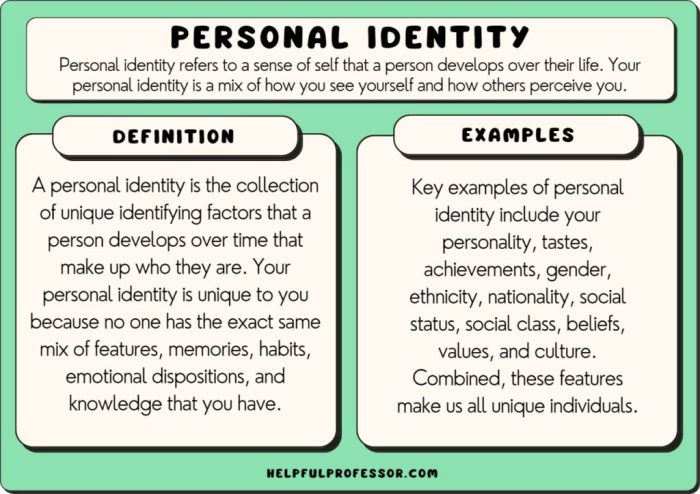
Understanding your personal aspirations is crucial for setting meaningful and achievable short-term career goals. It’s not just about what youwant* to do, but also about what truly motivates and fulfills you in a professional context. This self-awareness forms the bedrock of effective goal-setting. Without a clear understanding of your aspirations, goals can feel arbitrary and lead to frustration.Self-assessment is a powerful tool for aligning your career path with your personal values and desires.
This process helps uncover hidden talents, interests, and potential career paths that you might not have considered otherwise. By understanding your strengths and weaknesses, you can identify areas where you can develop and grow professionally. This understanding is fundamental to establishing short-term goals that are not only attainable but also personally rewarding.
Methods for Identifying Personal Career Aspirations
Various methods can help you uncover your personal career aspirations. These include self-reflection exercises, career assessments, and discussions with mentors or career advisors. These methods help you to understand your interests, skills, and values to guide your short-term career goals. Thorough exploration through these avenues can lead to more accurate and fulfilling career decisions.
Figuring out my short-term career goals feels a bit overwhelming sometimes. It’s all about making quick decisions, and honestly, I’m always looking for ways to improve my decision-making skills. Checking out these 5 tips for lightning fast decision making 5 tips for lightning fast decision making could really help. Ultimately, mastering quick choices is key to achieving those short-term career goals efficiently.
Questions to Clarify Personal Aspirations
A series of well-crafted questions can significantly clarify your personal career aspirations. Asking yourself about your values, interests, skills, and desired work environments can reveal important insights. These questions can be used to gain a deeper understanding of your motivations and guide your choices. Examples of questions to consider include:
- What activities do you find genuinely enjoyable and engaging? Identifying activities that spark joy and engagement can highlight potential career paths that align with your personal interests. For instance, someone who enjoys problem-solving and technical challenges might be drawn to engineering or a related field.
- What are your core values? Understanding your core values, such as creativity, collaboration, or intellectual stimulation, can help you identify careers that resonate with these values. This will ensure that your chosen path aligns with your personal beliefs and principles.
- What are your strengths and weaknesses? Identifying your strengths and weaknesses is crucial for realistic goal setting. Recognizing your strengths can help you focus on areas where you excel, while acknowledging your weaknesses allows you to identify areas for improvement.
- What kind of work environment do you thrive in? Do you prefer a fast-paced, dynamic environment or a more structured and collaborative one? Knowing this can help you narrow down career paths that match your preferred work style.
Role of Personal Values in Shaping Career Goals
Personal values significantly influence career choices. Values like integrity, creativity, or helping others can shape the types of roles and industries you find appealing. Understanding your values is essential for creating a career path that aligns with your personal principles and promotes a sense of purpose. By connecting your career goals with your personal values, you can achieve greater job satisfaction and fulfillment.
Factors to Consider When Identifying Personal Aspirations
Several factors influence the identification of personal aspirations for short-term goals. A comprehensive understanding of these factors helps in making informed career decisions. These factors provide a more comprehensive picture of what you want from your career, leading to more tailored and successful short-term goals.
- Interests: Identifying areas of interest can reveal potential career paths that resonate with your passions. This helps in focusing on activities and tasks that excite you.
- Skills: Assessing your existing skills and identifying areas for development helps tailor your goals to your abilities. This can guide your learning and development to achieve your goals.
- Experience: Evaluating past experiences, both positive and negative, provides valuable insights into what you enjoy and dislike. This will help you to make informed decisions about the type of work you’re seeking.
- Market Trends: Understanding market trends in various sectors helps you adapt your aspirations to the current demands of the job market. This is crucial for ensuring your goals are both achievable and relevant to the current job market.
- Financial Considerations: Evaluating your financial needs and aspirations helps align your career goals with your financial objectives. Understanding your financial goals will help you to make decisions that will benefit you in the long run.
Setting Specific and Measurable Goals

Defining short-term career goals is a crucial step in achieving long-term aspirations. However, simply stating desires isn’t enough. Transforming abstract ambitions into actionable steps requires a framework for clarity and progress tracking. This involves setting specific and measurable goals, ensuring they are realistic and timely.Effective goal setting is not about creating a laundry list of tasks, but rather establishing clear targets with defined methods of measurement.
This process ensures that progress can be objectively assessed, and adjustments can be made as needed. This iterative approach maximizes the chances of success.
SMART Goals in Career Development
SMART goals are a powerful tool for setting effective short-term career objectives. The acronym stands for Specific, Measurable, Achievable, Relevant, and Time-bound. Each component plays a vital role in making a goal concrete and actionable.
By incorporating SMART principles, goals become more than just aspirations; they become structured plans with clear milestones and timelines. This focus on tangible metrics allows for consistent progress monitoring and a higher likelihood of success.
Translating Aspirations into Measurable Goals
Personal aspirations, like wanting to “become a more effective leader,” are often broad. To translate these into actionable short-term goals, break them down into smaller, manageable steps. For example, instead of simply aiming for “better leadership,” a specific goal might be “to lead a project team through a successful product launch within the next quarter.”
This illustrates how a general aspiration is converted into a concrete goal with measurable success criteria. Defining quantifiable outcomes, such as successful product launch, makes progress easily trackable.
Examples of Short-Term Career Goals
Let’s consider examples of short-term goals aligned with specific career aspirations. If your aspiration is to enhance presentation skills, a short-term goal might be “to deliver three presentations with constructive feedback within the next month.” Or, if your ambition is to build stronger relationships with colleagues, a short-term goal could be “to participate in two team-building activities in the next two weeks.”
These examples demonstrate the direct link between aspirations and achievable, short-term goals. They show how a more generalized aim is refined into a specific and actionable step.
Breaking Down Large Goals into Smaller Steps
Large goals, such as “gaining expertise in a new software program,” can seem daunting. However, they can be broken down into smaller, manageable short-term steps. For instance, a goal to master a new software program might be broken down into learning specific functions weekly, achieving a set number of proficiency tests each week, or participating in webinars to improve knowledge and skills.
This approach ensures that the initial goal doesn’t feel overwhelming, making progress more sustainable and less prone to setbacks.
SMART Goal Criteria Table
| Criterion | Explanation | Example Goal |
|---|---|---|
| Specific | Clearly defined, leaving no room for ambiguity. | Increase social media engagement by 20% on X platform. |
| Measurable | Quantifiable metrics to track progress. | Gain 10 positive reviews on my social media posts in the next two weeks. |
| Achievable | Realistic and attainable given current resources and capabilities. | Improve my presentation skills by incorporating visual aids for my next presentation. |
| Relevant | Aligned with overall career aspirations and company objectives. | Develop a presentation skill plan to increase engagement with my team. |
| Time-bound | Specific timeframe for completion. | Complete the new software training module within two weeks and take the proficiency exam within the next week. |
Developing Action Plans

Turning your short-term career aspirations into reality requires a well-defined action plan. This isn’t just a wish list; it’s a roadmap to guide your progress and ensure you stay on track. A robust action plan breaks down large goals into manageable steps, making the journey less daunting and more achievable.A detailed action plan serves as a dynamic tool, adapting to challenges and celebrating successes along the way.
Setting short-term career goals is crucial for building momentum. For example, if you’re aiming to become a librarian, exploring fascinating reads like those found in best books for 6 year olds could spark a passion for stories and inspire you to start reading more professionally. This early engagement in the world of books can lead to deeper understanding and ultimately, a stronger foundation for achieving your short-term career goals.
It’s not a static document; it’s a living guide that helps you stay focused and motivated. This flexible approach ensures you maintain momentum and remain responsive to changes in your career landscape.
Creating Actionable Steps
A crucial component of any action plan is the breakdown of your goals into specific, actionable steps. Each step should be clearly defined, outlining exactly what needs to be done. This clarity prevents ambiguity and ensures everyone involved (including you) understands the expectations. Vague steps lead to wasted effort and missed deadlines.
Importance of Deadlines and Milestones
Deadlines are critical in maintaining momentum and ensuring timely completion of tasks. They provide a sense of urgency and structure, preventing procrastination and helping you stay focused. Milestones, representing significant achievements along the way, act as checkpoints, offering opportunities to assess progress, adjust strategies, and celebrate accomplishments. They help maintain motivation and provide a sense of accomplishment.
Examples of Action Plans for Different Goals
Different short-term goals necessitate different action plans. For example, a goal to gain a new skill requires a structured learning plan with specific training materials, practice exercises, and a schedule for mastering the skill. A goal to network within a specific industry might involve attending industry events, reaching out to contacts, and participating in online forums. A goal to improve communication skills could include joining a public speaking group, taking a course on effective communication, and practicing actively in real-life situations.
Comparing Approaches to Action Planning
Several approaches exist for developing action plans, including the traditional step-by-step method, the milestone-based approach, and the project management methodology. The step-by-step method focuses on breaking down goals into smaller, sequential steps. The milestone-based approach focuses on defining key achievements along the way. Project management methodologies offer more comprehensive frameworks with defined roles, responsibilities, and deadlines. Choosing the best approach depends on the nature and complexity of your short-term goal.
Action Plan Template
This template provides a structured approach to creating detailed action plans:
| Task | Description | Deadline | Responsibility |
|---|---|---|---|
| Research potential networking opportunities | Identify relevant industry events, online forums, or professional organizations. | October 26, 2023 | Self |
| Prepare a presentation on [topic] | Artikel key points, gather supporting data, and rehearse the presentation. | November 15, 2023 | Self |
| Schedule meetings with potential mentors | Contact potential mentors and arrange meetings. | November 22, 2023 | Self |
This table Artikels a sample action plan for networking. You can adapt this template to suit your specific short-term goals by replacing the tasks, descriptions, deadlines, and responsibilities with your own.
Strategies for Success: Short Term Career Goals
Reaching short-term career goals requires a multifaceted approach, encompassing motivation, obstacle management, resource utilization, continuous learning, and effective time management. These strategies are crucial for maintaining momentum and achieving desired outcomes. A well-structured plan, combined with adaptable strategies, significantly increases the likelihood of success.Sustaining motivation and focus is key to consistent progress. Without a solid plan, and the right tools to stay on track, even the most promising goals can falter.
This section will explore strategies for staying motivated, overcoming challenges, and leveraging available resources to effectively achieve your short-term career objectives.
Maintaining Motivation and Focus
Sustaining motivation throughout the pursuit of short-term goals is crucial. Maintaining focus is a significant aspect of successful goal attainment. Regularly revisiting your goals, celebrating milestones, and adjusting your approach as needed are essential strategies for maintaining momentum.
- Establish clear milestones: Break down large goals into smaller, achievable milestones. This creates a sense of accomplishment and provides regular feedback, preventing feelings of being overwhelmed.
- Visualize success: Regularly envision yourself achieving your goals. This mental rehearsal can build confidence and motivation, helping you stay focused on the desired outcome.
- Reward yourself: Acknowledge and reward yourself for reaching milestones. This reinforces positive behavior and keeps you motivated to continue working towards your goals.
- Seek support: Share your goals with mentors, friends, or family. Their encouragement and support can be invaluable in maintaining motivation and focus during challenging times.
Overcoming Obstacles and Challenges
Challenges are inevitable in any pursuit. Recognizing and proactively addressing obstacles is critical for achieving your short-term career goals. Flexibility and a proactive approach are essential in navigating these difficulties.
- Identify potential roadblocks: Anticipate potential obstacles and develop contingency plans. This proactive approach can minimize disruptions and allow for smoother transitions when difficulties arise.
- Develop coping mechanisms: Learn to manage stress and setbacks effectively. This could involve techniques like mindfulness, meditation, or time management strategies.
- Seek feedback and adjust: Actively solicit feedback from mentors or peers to identify areas for improvement. This allows for necessary adjustments to your approach and enhances the likelihood of achieving your goals.
- Don’t be afraid to ask for help: Don’t hesitate to reach out to colleagues, mentors, or other professionals for guidance and support when faced with obstacles.
Utilizing Available Resources
Identifying and leveraging available resources can significantly enhance the likelihood of success in achieving short-term career goals. Understanding and utilizing available support systems is critical to achieving your goals.
- Networking: Connect with professionals in your field. Networking can provide valuable insights, opportunities, and support during your goal-setting journey.
- Mentorship programs: Seek out mentors who can provide guidance, support, and advice based on their experience. A mentor can offer valuable insights and support you in navigating potential obstacles.
- Online resources: Utilize online platforms, courses, and communities to enhance your knowledge and skills. These resources can provide invaluable support for skill development and knowledge enhancement.
- Professional development opportunities: Attend workshops, conferences, or seminars to expand your skills and knowledge. This proactive approach can contribute to career advancement and goal achievement.
Continuous Learning and Skill Development
Continuous learning and skill development are essential for long-term career success and achieving short-term goals. These skills will help in navigating challenges and taking advantage of new opportunities.
- Identify skill gaps: Regularly assess your skills and identify areas where you need to improve. Proactive identification of skill gaps allows for focused learning and improvement.
- Seek out learning opportunities: Engage in training programs, online courses, or workshops to enhance your skills and knowledge. Learning opportunities can significantly contribute to career advancement and goal achievement.
- Stay updated on industry trends: Keep abreast of industry advancements and innovations to stay competitive and adapt to evolving demands. This will help you to stay relevant and competitive in your field.
- Practice consistently: Apply newly acquired skills through practice and experimentation. Consistent practice and application are crucial for skill refinement and goal achievement.
Staying Organized and Managing Time Effectively
Effective time management and organization are critical for successfully pursuing short-term goals. A structured approach to time management can significantly enhance productivity and reduce stress.
- Create a schedule: Develop a detailed schedule that incorporates dedicated time slots for work, learning, and relaxation. A structured schedule helps prioritize tasks and allocate appropriate time for each activity.
- Prioritize tasks: Identify high-priority tasks and allocate sufficient time for their completion. Prioritization helps in focusing efforts on crucial activities.
- Utilize time management tools: Explore and utilize various time management tools and techniques to optimize your workflow and productivity. These tools can help in tracking progress and ensuring efficient task completion.
- Regularly review and adjust: Periodically review your schedule and adjust it as needed to accommodate changing priorities and circumstances. Adaptability is crucial for maintaining efficiency and achieving your goals.
Monitoring Progress and Adjusting Strategies
Staying on track towards your short-term career goals requires constant monitoring and adjustments. Simply setting goals isn’t enough; proactive evaluation and adaptation are crucial for success. This involves understanding how well your action plans are working, identifying any roadblocks, and making necessary changes to stay on course.Consistent monitoring provides valuable insights into the effectiveness of your strategies and allows you to refine your approach as needed.
This dynamic process helps ensure you’re not just working
- towards* your goals, but working
- smarter* towards them. It’s a proactive rather than reactive approach to career development.
Importance of Tracking Progress
Tracking progress toward short-term goals is essential for identifying areas needing improvement. It allows you to gauge the effectiveness of your strategies and make informed decisions. This data-driven approach helps you understand what’s working and what’s not, enabling you to adapt your plan and stay motivated. By regularly assessing your progress, you’re proactively managing potential roadblocks and maintaining a positive trajectory toward your objectives.
Methods for Evaluating Action Plans and Strategies
Regularly evaluating your action plans and strategies is key to maintaining momentum. A variety of methods can be employed, from simple checklists to more sophisticated performance metrics. This process involves examining the alignment between your initial goals, your action plan, and the actual outcomes. Use data-driven insights to refine your approach.
- Key Performance Indicators (KPIs): Establish quantifiable metrics to track progress, such as number of applications submitted, interviews attended, or skills acquired. These metrics provide a concrete measure of your efforts and help you identify areas where you may need to adjust your strategies.
- Feedback Mechanisms: Actively solicit feedback from mentors, colleagues, or supervisors. Constructive criticism can reveal blind spots in your approach and highlight areas where you can improve.
- Self-Reflection: Regularly assess your own progress and identify any roadblocks you’re encountering. Honest introspection can uncover hidden patterns or underlying issues that might be hindering your progress.
Identifying and Addressing Roadblocks
Recognizing and addressing roadblocks is crucial for maintaining progress toward short-term goals. These roadblocks can be internal, such as lack of motivation or procrastination, or external, such as unexpected challenges or obstacles.
- Proactive Problem Solving: Anticipate potential roadblocks and develop contingency plans. For example, if you anticipate difficulty in meeting a deadline, schedule buffer time or identify alternative resources.
- Seeking Support: Don’t hesitate to reach out to mentors, colleagues, or support networks for guidance and assistance when facing obstacles. Leverage their expertise and experience to navigate roadblocks effectively.
- Adaptability and Flexibility: Be prepared to adjust your strategies and action plans as needed. Unexpected events or changes in circumstances may require a flexible approach to stay on track.
Adjusting Strategies Based on Progress Tracking
Adjusting strategies based on progress tracking is a crucial aspect of goal attainment. It allows you to refine your approach and ensure you’re making optimal use of your time and resources.
- Example: If you find that you’re consistently struggling to meet deadlines, you might adjust your work schedule to allocate more focused time blocks for specific tasks. This adaptation reflects a data-driven response to your progress monitoring.
- Example: If you discover a particular skill is proving more difficult to acquire than anticipated, you might allocate more time for focused practice or seek out additional learning resources.
Progress Report Template
This template provides a structured approach to documenting your progress toward short-term goals.
| Goal | Target Date | Actual Completion Date | Metrics | Analysis | Adjustments |
|---|---|---|---|---|---|
| Secure an internship | 2024-06-15 | 2024-06-10 | 3 successful applications | Met target, ahead of schedule. | Focus on networking events to secure more opportunities. |
| Master new software | 2024-06-30 | 2024-07-05 | Completed 5 tutorials, passed certification exam. | Met target, exceeded expectations. | Focus on advanced level tutorials. |
Illustrative Examples
Setting short-term career goals is crucial for sustained professional growth. These goals provide a roadmap for achieving long-term aspirations and offer a sense of accomplishment along the way. By focusing on achievable milestones, individuals can build momentum and gain valuable experience that directly contributes to their career trajectory.These examples illustrate how short-term goals can be tailored to specific career paths and personal ambitions, ultimately driving professional development.
Software Developer
Short-term goals for software developers often involve mastering new technologies or refining existing skills. A concrete example could be: “Gain proficiency in React.js by completing a hands-on project focused on building a dynamic web application and publishing it on GitHub by [Date].” This goal is specific, measurable, achievable, relevant, and time-bound (SMART). The developer can track progress by documenting their learning process, maintaining a project log, and showcasing their work on a portfolio.
Marketing Specialist
For marketing specialists, short-term goals might revolve around improving campaign performance or expanding their skillset. A specific example could be: “Increase the click-through rate (CTR) of the company’s social media ads by 15% within the next quarter by implementing A/B testing on different ad copy variations and targeting demographics.” This measurable goal allows the specialist to track progress by regularly analyzing campaign data and making necessary adjustments.
Teacher
Short-term goals for teachers often center around classroom management techniques or improving student engagement. A practical example could be: “Develop and implement a new classroom management strategy focusing on positive reinforcement and collaborative learning activities, resulting in a 10% decrease in disruptive behaviors within the next month.” This goal is measurable, focusing on a tangible outcome like a reduction in disruptive behaviors.
Project Manager, Short term career goals
Project managers can set short-term goals focused on enhancing project management skills or streamlining project workflows. A specific example is: “Develop and implement a new project scheduling tool that incorporates real-time progress updates and risk assessment, streamlining the project workflow and reducing potential delays by 10% in the next two projects.” This goal is both specific and measurable, allowing for direct tracking of improvements in project efficiency.
Table: Short-Term Goals and Long-Term Advancement
| Short-Term Goal | Potential Long-Term Impact |
|---|---|
| Mastering a new programming language (e.g., Python) | Opening doors to advanced software development roles, potentially leading to higher salaries and increased career opportunities. |
| Improving social media engagement metrics (e.g., likes, shares) | Demonstrates proficiency in digital marketing strategies, leading to higher responsibilities and potentially to management roles. |
| Implementing effective classroom management techniques | Creates a positive learning environment, leading to improved student performance and potentially securing leadership positions in educational institutions. |
| Streamlining project workflow through new tools | Improves project delivery efficiency, leading to increased client satisfaction and recognition, possibly paving the way for senior project management roles. |
Last Recap
In conclusion, setting and achieving short-term career goals is a dynamic process requiring self-awareness, strategic planning, and consistent effort. By understanding the nuances of defining these goals, identifying personal aspirations, creating actionable plans, and monitoring progress, you can unlock your full career potential. Remember, success is a journey, not a destination, and each short-term victory builds upon the last, paving the way for long-term career advancement.